LifestyleRanker
Menu

Review

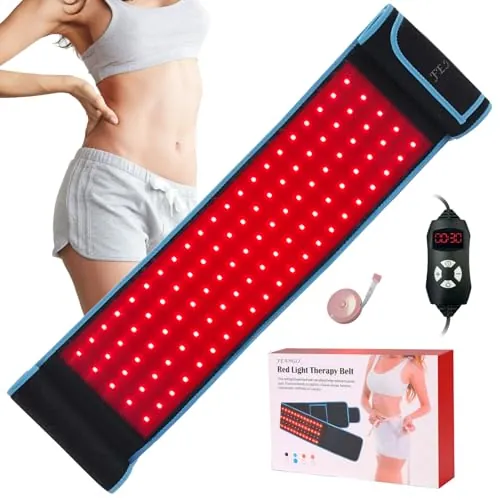
feangli Red Light Therapy Belt Review for Recovery Use

The feangli Red Light Therapy Belt is a wearable recovery and wellness device designed for targeted use on areas such as the waist, back, shoulders, legs, and knees. It stands out most for comfort, ease of use, portability, and value. Its main limitation is durability, with several reviews describing failures after relatively short periods of use.
Expert reviewed
58
Overall score
Data-driven scoring Expert reviewed Updated analysis

Why we ranked it highly

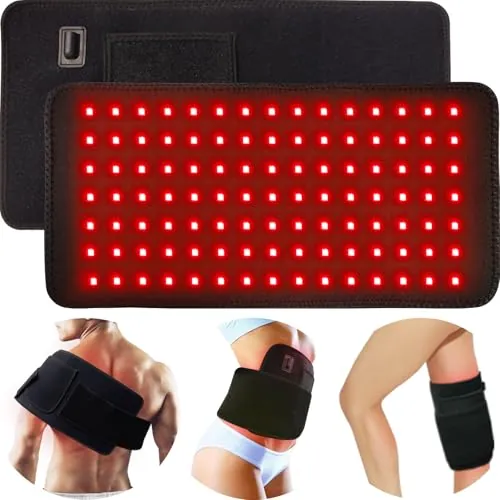
The feangli Red Light Therapy Belt is a wearable light therapy device intended for targeted sessions on different body areas, including the waist, back, shoulders, legs, and knees. It uses 660nm red light and 850nm infrared light, includes a timer remote, and has an adjustable Velcro wrap designed to fit most body types. The light-emitting area is relatively large for the price, and the inner TPU surface is intended to make cleaning easier. Based on the product details and review profile, it appears to be aimed at users who want a simple, low-cost home recovery or wellness tool rather than a premium, heavily documented clinical device. Review feedback points most clearly to soothing warmth, convenience during sedentary tasks, and easy setup. However, technical documentation is limited in the supplied data, and durability appears less consistent than comfort, ease of use, or perceived value.
90-day review Expert reviewed User feedback Data scoring

Key specs

Product details

Is Discontinued By Manufacturer
No
Package Dimensions
10.04 x 7.64 x 2.32 inches; 1.28 Pounds
Item model number
YD001
Department
unisex-adult
Date First Available
May 12, 2022
Manufacturer
feangli

Scores breakdown

62 /100

Health impact

45 /100

Fitness support

20 /100

Sleep support

74 /100

Recovery support

63 /100

Wellness support

66 /100

Effectiveness

42 /100

Evidence quality

68 /100

Safety

Strengths

  • Easy to use with simple controls and timer remote
  • Comfortable, adjustable Velcro wrap for multiple body areas
  • Portable design with lightweight build and long power cord
  • Strong recovery-oriented positioning with soothing warmth reported by users
  • Good value profile based on price, feature set, and customer feedback
  • Large light coverage area with 315 upgraded chips
  • Easy to wipe clean thanks to the TPU inner surface
  • High customer satisfaction from a large review base

Limitations

  • Durability appears inconsistent, with repeated reports of failure after weeks or months
  • Evidence supporting performance claims is limited in the provided data
  • Brand trust is weaker due to limited verification and mixed support experiences
  • Warranty and replacement support appear inconsistent in reviews
  • Not suited to sleep-focused use based on its score profile and wired design
  • Instructions and technical documentation appear limited according to reviews
  • Some users reported power cord or LED failures over time

Ideal user profiles

  • People who want a low-cost at-home red light therapy belt for targeted recovery use
  • Users looking for a simple wearable wellness device for waist, back, shoulder, leg, or knee sessions
  • Buyers who value comfort, portability, and easy setup over premium build quality
  • People interested in a home routine for soothing warmth and post-activity relaxation

Use cases

  • Targeted recovery sessions for back, waist, shoulder, knee, or leg areas
  • At-home wellness routines while sitting, reading, or doing light tasks
  • Post-work relaxation with warming light exposure
  • Portable use around the home with adjustable wrap placement
  • Daily 20 to 30 minute body-area sessions
  • General comfort support after long work shifts

Fit and positioning

Who this works for

Health positioning

This product fits more naturally into the recovery and general wellness category than into health tracking or sleep support. It is a wearable, body-area treatment device rather than a measurement tool, and its strongest role is as an at-home option for short, targeted sessions focused on comfort and post-activity use. The provided data does not support positioning it as a medical device or as a broad health solution. Instead, it appears best viewed as a practical home wellness accessory with a recovery-oriented use case.

Best for

This belt is best suited to buyers who want an affordable, easy-to-use wearable light therapy device for targeted home use. Its strongest scores are comfort, ease of use, portability, customer satisfaction, and value, which makes it a practical fit for people who prefer simple routines and adjustable wrap placement. It also appears well suited to users who want a warming, recovery-focused device they can use while sitting, reading, or doing light daily tasks.

Not best for

It may be a weaker fit for buyers who want strong technical documentation, premium long-term build quality, or highly reliable support if something goes wrong. The evidence quality score is low, and several reviews mention cord failures, LED issues, or shorter-than-expected lifespan. It is also not a strong choice for sleep-focused use, and cautious buyers may want a product with clearer testing data and a stronger support reputation.

Health benefits

Its general health relevance is limited to lifestyle and wellbeing support rather than measurement or diagnosis. The product may help some users build a routine around targeted body-area sessions, comfort, and general self-care at home. With a health impact score of 62, it appears moderately relevant as a wellness tool, but the available data does not justify stronger health claims beyond user-reported comfort and routine support.

Performance analysis

How it performs in practice

Each scoring dimension is separated into a compact card so the strengths and tradeoffs are easier to compare without reading one long block.

Effectiveness analysis

The effectiveness score of 66 suggests moderate real-world performance for the belt’s main purpose. Review sentiment points to many users finding it soothing, warming, and useful for targeted body-area sessions, especially for the back, waist, shoulders, and knees. The product also benefits from a large review count and generally positive ratings, which gives some support to its practical appeal. That said, the effectiveness picture is not fully clean. The provided evidence is mostly user experience rather than objective performance testing, and some reviews describe early hardware failures that could interrupt regular use. In practice, it appears reasonably effective as a comfort-oriented recovery accessory, but less convincing as a rigorously validated therapeutic device.

Evidence quality

The evidence quality score of 42 is a clear weak point. While the product description makes strong claims about red and infrared light benefits, the supplied data does not include product-specific laboratory verification, independent testing, or detailed technical evidence confirming output accuracy. One review specifically points out the lack of documentation about spectrum verification and intensity levels. This does not mean the product cannot be useful, but it does mean the strength of evidence is limited. The available support is mainly customer opinion and seller-provided claims rather than robust proof. Buyers should interpret the score as reflecting limited documented evidence, not confirmed clinical performance for the full range of marketed benefits.

Safety

The safety score of 68 suggests a reasonably acceptable safety profile based on the information provided, but not an exceptionally strong one. It is a wearable electrical device that produces warmth, so sensible use matters. The timer function, simple controls, and targeted session format support safer everyday use, especially for users who follow the manufacturer’s instructions. At the same time, the data does not provide detailed safety testing information, and durability concerns could indirectly affect safety confidence if cords or electronics fail over time. The safest interpretation is that it appears generally suitable for normal home use when used as directed, but buyers should avoid treating it as a medically validated device and should monitor product condition over time.

Comfort

Comfort is one of the strongest parts of this product, reflected in its score of 80. Reviews repeatedly describe it as lightweight, adjustable, and comfortable enough to use while sitting, working, or doing light household tasks. The Velcro wrap and multi-area design help it adapt to different body locations, and several users mention the warming feel as a positive part of the experience.

How it compares

Within its category, this belt looks stronger on comfort, ease of use, portability, and value than on evidence quality, long-term durability, or brand trust. It appears better suited to buyers who want a simple, affordable recovery-oriented device than to those who want premium construction or strong technical validation. Its score profile suggests it competes best as a practical home wellness accessory rather than as a highly documented therapeutic product. Compared with stronger category performers, its main disadvantages are reliability concerns and limited verification of light output claims. Its main advantages are low friction, flexible body placement, and generally positive user sentiment.

Ranking summary

This product would rank as a mid-tier to upper-mid-tier option in a recovery or red light therapy belt category. Its overall score of 58 is held back mainly by weak durability, modest brand trust, limited evidence quality, and mixed warranty support. Those are meaningful issues, especially in a device category where technical validation and reliability matter. At the same time, it performs well in the areas many buyers notice first: ease of use, comfort, portability, customer satisfaction, and value. That combination explains why it can appeal to a broad audience despite clear limitations. In ranking terms, it stands out more as a convenient and affordable everyday option than as a category leader on proof, longevity, or support.

Buying advice

This belt is worth considering if you want an affordable, wearable red light therapy product for short, targeted sessions at home and you care most about comfort, portability, and ease of use. It is a practical fit for users who want a simple recovery or wellness routine without spending much. You may want to avoid it if you expect premium durability, highly detailed technical documentation, or consistently strong support. Before buying, check whether the wrap size suits your intended body area, confirm how the controls and timer work, and read recent reviews about lifespan and warranty follow-through. It is best approached as a budget home wellness accessory rather than a clinically validated therapeutic device.
58
Overall score

Final verdict

The feangli Red Light Therapy Belt is a fairly strong budget-friendly option for targeted recovery and general wellness use, especially for buyers who prioritise comfort, simplicity, and portability. Its best qualities are its easy setup, adjustable fit, and broad day-to-day usability around the home. It also has a solid value profile and generally positive customer sentiment. Its main limitation is durability, with enough repeated failure reports to make long-term reliability a real concern. Evidence quality is also limited, so its benefits should be viewed cautiously. Overall, this is a practical but imperfect choice: good for accessible home use, but not one of the more convincing options for proof, support, or lasting build quality.
Back to review

Key topics

feangli red light therapy belt review, red light therapy belt review, infrared light therapy belt, wearable red light therapy device, recovery light therapy belt, pain relief wellness belt, at-home red light therapy, red light belt for back and waist

Frequently asked questions

Is the feangli red light therapy belt good for recovery use?
Based on its scores, this belt is more convincing as a recovery-oriented product than as a general fitness or sleep tool. It has a recovery support score of 74, and many reviews mention soothing warmth and targeted use on areas like the back, waist, knees, and shoulders. The main caution is durability, which is mixed.
Does the feangli red light therapy belt help with pain relief?
Many customer reviews report that it feels soothing and is used for discomfort after work or activity. However, those reports are customer experiences, not clinical proof. The product’s effectiveness score is 66, which suggests moderate practical performance, but the evidence quality score of 42 shows that the underlying claims are not strongly documented in the provided data.
Is the feangli red light therapy belt easy to use?
Yes, ease of use is one of its strongest areas. It scores 84 for ease of use, and the product details describe simple controls, timer settings, and straightforward operation. Reviews also mention that it is easy to wear while doing light tasks. Some users did note a learning curve with the button sequence and limited instructions.
Is the feangli red light therapy belt comfortable to wear?
Comfort is a clear strength for this product, with a comfort score of 80. Reviews describe it as lightweight, adjustable, and comfortable enough to use while sitting and working. The Velcro wrap and multi-area design help with fit, although comfort will still depend on where it is worn and how tightly it is secured.
How portable is the feangli red light therapy belt?
It is relatively portable for home use. The belt weighs 1.28 pounds, can be wrapped and stored easily, and has a portability score of 82. Reviews describe it as compact, but it is still a wired device, so it is more practical around the house than for travel or outdoor use.
What are the main limitations of the feangli red light therapy belt?
The biggest limitations are durability, documentation, and support consistency. Durability scores only 38, and multiple reviews mention cords or lights failing after weeks or months. Reviews also note a lack of detailed technical verification for the light output, and warranty experiences appear mixed despite the stated two-year coverage.
Does the feangli red light therapy belt offer good value?
It scores 76 for value, which is one of its stronger areas. At its price point, buyers appear to get a large wrap design, timer control, multiple settings, and generally positive user feedback. That said, the value proposition depends heavily on lifespan, because durability complaints could reduce long-term value for some buyers.
Is there strong evidence behind the feangli red light therapy belt’s claims?
No strong product-specific evidence is provided here. The evidence quality score is 42, which reflects limited documentation rather than confirmed clinical benefit. One review specifically notes the lack of manufacturer testing documents verifying spectrum output or intensity. That makes this a product where real-world user feedback is stronger than the evidence supplied.

Related Guides & Rankings